THE EPIC, FOR THOSE WHO DON'T KNOW IT
What Actually Happens
Everything below assumes you already know the plot — most sites about the Ramayana do. A lot of readers, in India and outside it, don't actually know the epic beyond fragments. Here it is, plainly, before the analysis starts.
Bala Kanda — The Book of Youth
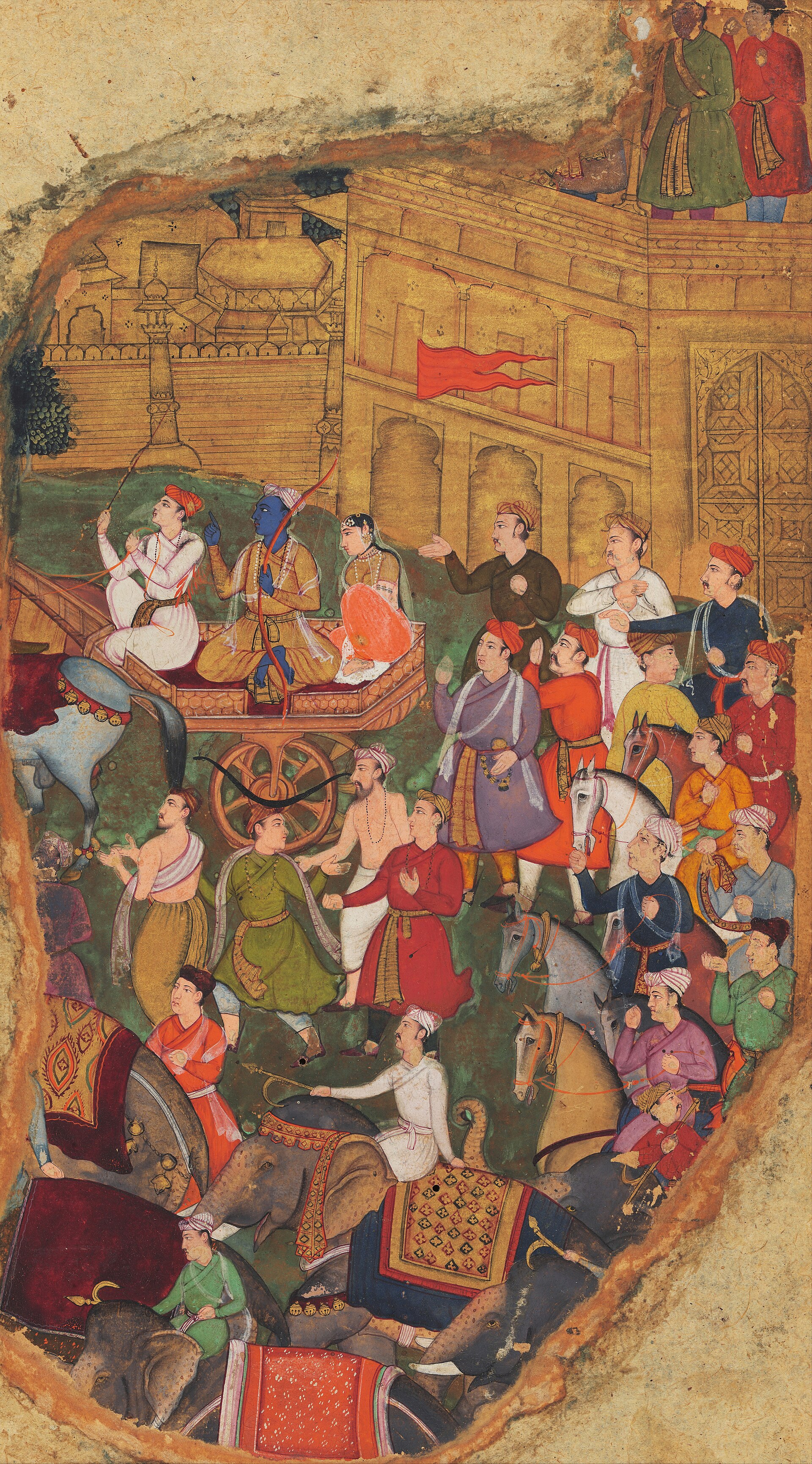
King Dasharatha of Ayodhya, long childless, performs a fire sacrifice and is blessed with four sons by his three queens: Rama, Bharata, Lakshmana, and Shatrughna. Rama and Lakshmana grow up inseparable. Sage Vishwamitra takes the young Rama to defend his forest hermitage from raiding demons; Rama later travels to King Janaka's court in Mithila, strings and breaks an immense bow set as a marriage challenge, and wins Janaka's daughter Sita as his wife.
Ayodhya Kanda — The Book of Ayodhya
Years later, an aging Dasharatha moves to crown Rama as his heir. On the eve of the coronation, his youngest queen Kaikeyi — urged on by her maid Manthara — calls in two promises Dasharatha had once made her: her own son Bharata crowned instead, and Rama exiled to the forest for fourteen years. Bound by his word, the king complies. Rama accepts without protest; Sita and Lakshmana insist on going into exile with him. Dasharatha dies of grief soon after. Bharata, learning what happened, refuses the throne and rules only as Rama's regent.
Aranya Kanda — The Book of the Forest
In exile, the demoness Shurpanakha propositions Rama, is refused, and attacks Sita in anger; Lakshmana wounds her. She flees to her brother Ravana, the king of Lanka, and provokes him by describing Sita's beauty. Ravana sends the demon Maricha, disguised as a golden deer, to draw Rama and then Lakshmana away from the hermitage — and abducts Sita the moment they're gone. The vulture Jatayu, who tries to stop the abduction, is fatally wounded and lives just long enough to tell Rama what happened.
Kishkindha Kanda — The Book of Kishkindha
Searching for Sita, Rama and Lakshmana ally with Sugriva, exiled ruler of the Vanara clans of Kishkindha, whose brother Bali had driven him out and taken his wife. Rama helps Sugriva kill Bali and reclaim the throne; in return, Sugriva commits his forces — led by his minister Hanuman — to the search for Sita.
Sundara Kanda — The Book of Beauty
Hanuman leaps across the sea to Lanka, finds Sita held in Ravana's Ashoka grove, and gives her Rama's ring as proof he was truly sent. Before returning, he allows himself to be captured, sets part of Lanka alight with his burning tail, and escapes to report Sita's location back to Rama.
Yuddha Kanda — The Book of War
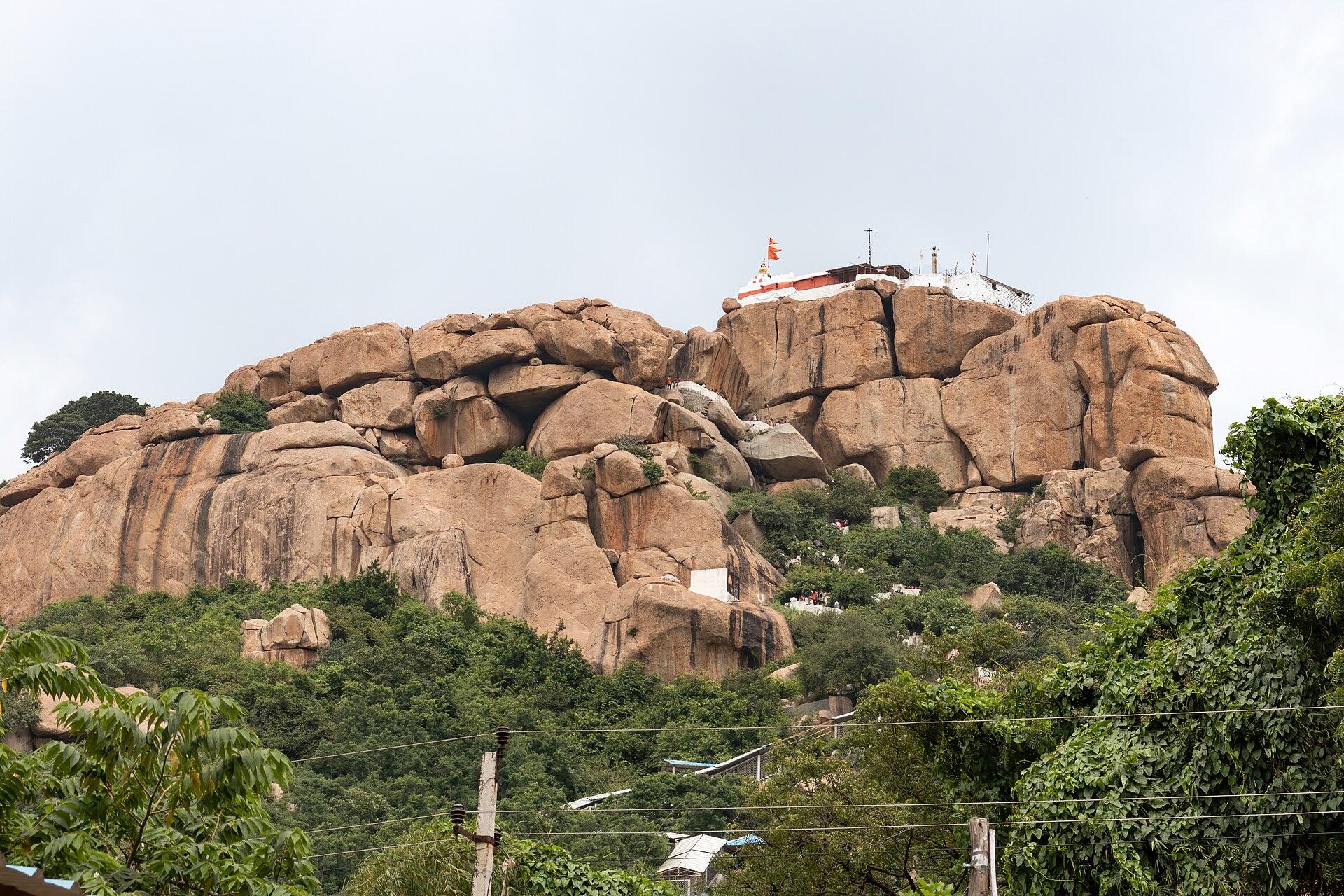
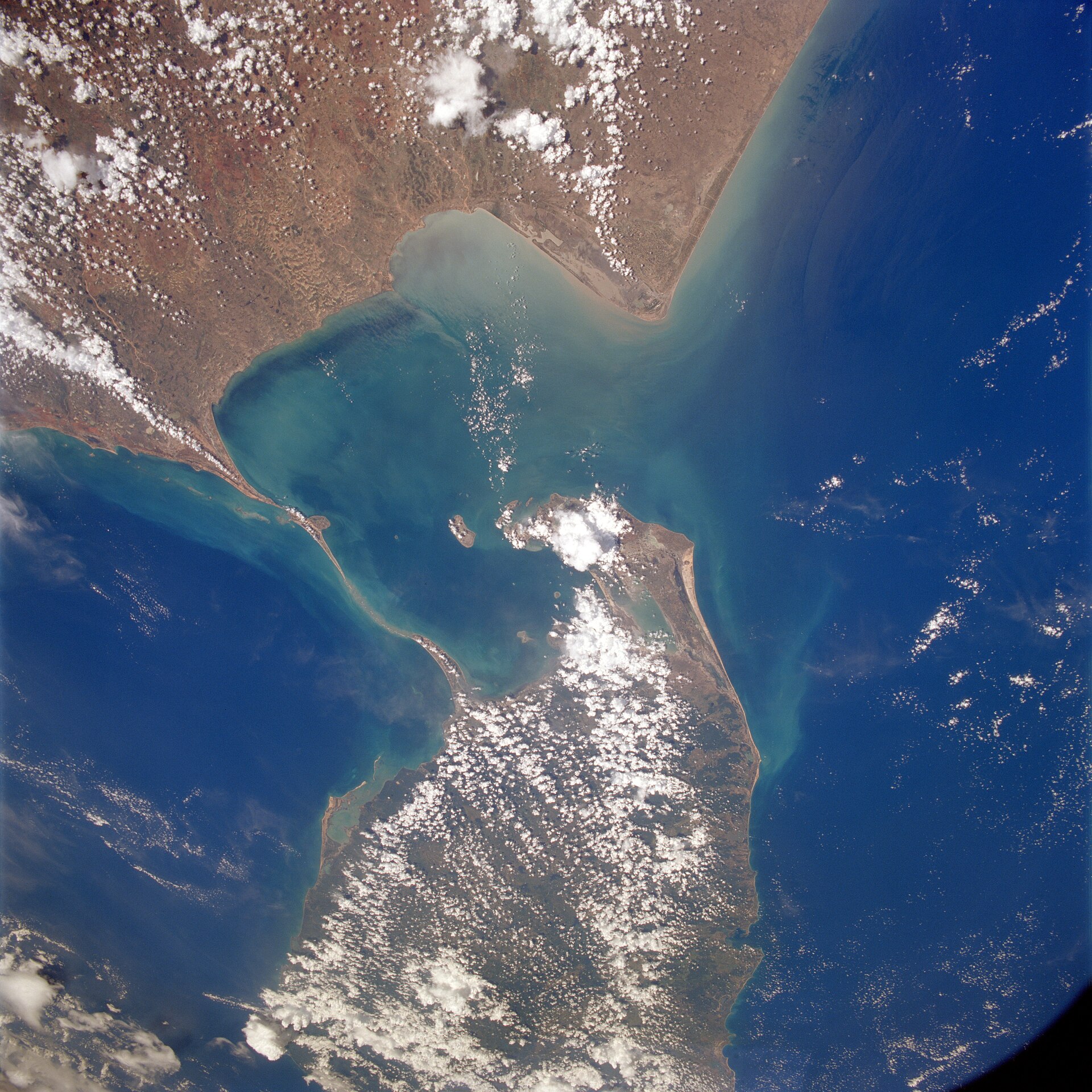
Rama's Vanara army marches to the southern coast. Ravana's own brother Vibhishana defects to Rama's side after failing to talk Ravana into returning Sita. Nala, son of the celestial architect Vishwakarma, directs the building of a causeway across the sea to Lanka. In the war that follows, Lakshmana is gravely wounded and saved by a Himalayan herb Hanuman fetches in time; Rama ultimately kills Ravana in single combat. Sita undergoes a public trial by fire to prove her fidelity before Rama accepts her back. With the fourteen years complete, the three return to Ayodhya, where Rama is crowned — the reign remembered as Rama Rajya.
Uttara Kanda — The Final Book
Often treated by scholars as a later addition to the text, this book covers the years after the coronation. When public rumors question Sita's purity after her time in captivity, Rama — prioritizing his subjects' confidence in the crown over his own feelings — sends the pregnant Sita to live at Sage Valmiki's hermitage, where she bears twin sons, Lava and Kusha. Raised by Valmiki and taught the Ramayana itself, the boys eventually perform the epic at Rama's own court, reuniting father and sons. Asked once more to prove her fidelity publicly, Sita calls on the earth to receive her if she has been truly faithful — and it does. Rama rules for many more years before eventually leaving the world.
Maryada Purushottama — why Rama is more than a character
In Indian tradition Rama isn't read primarily as a historical curiosity or a war hero — he's Maryada Purushottama, roughly "the ideal man within the bounds of righteous conduct" (maryada: the limits of dharma; purushottama: the best among men, from uttama purusha). That title is earned through specific choices in the epic, not just character traits: honoring his father's word even when it cost him the throne, refusing to set aside his responsibilities even in exile, and ruling by what he judged his subjects needed over his own comfort. Whether or not a reader accepts any specific historical claim on this site, this ethical dimension is a separate — and in civilizational terms probably more consequential — reason the text has been retold for millennia: as a working definition of ideal conduct in a son, a husband, and a king, not only as a chronicle of events.
The tradition doesn't treat this as uncomplicated hagiography. The Uttara Kanda's account of Sita's banishment, in particular, has been debated by commentators for centuries as the epic's hardest ethical episode — precisely because the text holds its central figure to the standard it sets, rather than exempting him from it.